
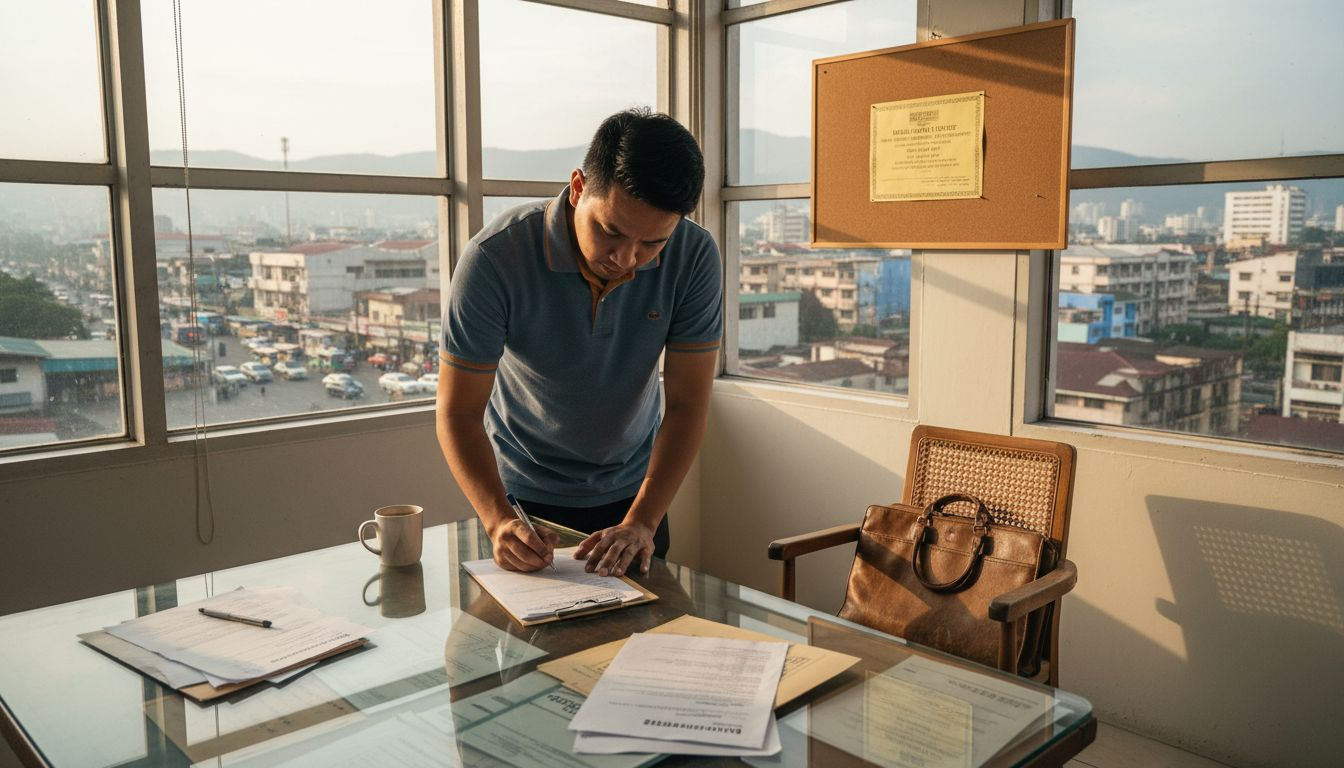
Registering a new business in the Philippines often feels like navigating a maze of rules and paperwork, especially for foreign founders and Filipino tech innovators. Securing the right permits and staying compliant means more than just filling out forms. Understanding each government requirement, from the Securities and Exchange Commission (SEC) to the Bureau of Internal Revenue (BIR), is vital for building a legitimate business presence.
This guide breaks down every crucial step so you can confidently handle registration, permits, and compliance while focusing on your company’s growth.
Table of Contents
Quick Summary
Step 0: Choose the Right Structure
Before actually preparing documents or registering with the SEC or DTI, decide how your business should legally exist in the Philippines. This will impact your foreign ownership limits, capital requirements, taxes, and licensing.
Consider:
- Business model (outsourcing, SaaS, trading, local services)
- Ownership split (Filipino vs. foreign shareholders)
- Industry rules (regulated vs. open sectors)
- Growth plans (foreign clients, fundraising, hiring)
Key Insight: Platform-led solutions like korp.ph can help you assess and set up the right structure before you file anything — saving you from costly changes later.
Step 1: Prepare key documents for registration
Preparing the right documents is your critical first step in smoothly establishing a business in the Philippines. You’ll need to gather and organize several key paperwork items that demonstrate your business’s legal and financial legitimacy.
For entrepreneurs registering a corporation, the core documents typically include:
- Passport copies: for all company shareholders and directors
- Articles of Incorporation (AOI): the main constitutional document of the company. It defines the company name, business purpose, address, shareholders, capital structure, and number of shares. It serves as the legal foundation of the corporation.
- Treasurer’s Affidavit: a sworn declaration signed by the appointed treasurer confirming the subscribed and paid-up capital and that the initial funds have been received on behalf of the company.
- Proof of initial capital investment: such as bank deposit certificates, remittance records, or transfer proofs. The initial capital investment should be properly supported by financial documents, especially for foreign-owned companies subject to minimum capital requirements.
The specific requirements can vary depending on your business structure.
Key Insight: Work with a local legal consultant who understands the nuanced documentation requirements to streamline your submission process.
Step 2: Register your company with SEC or DTI
Registering your business is a crucial step in establishing your legal corporate identity in the Philippines. You’ll need to choose the right registration pathway based on your specific business structure and goals.
The registration process depends on your business type. Business registration involves different requirements depending on whether you’re establishing a sole proprietorship, partnership, or corporation:
- Sole proprietorships register with the Department of Trade and Industry (DTI)
- Partnerships and corporations register with the Securities and Exchange Commission (SEC)
For sole proprietorships, you’ll need to secure a business name certificate directly through the DTI. This process can typically be completed online or by visiting their local offices.
Corporations and partnerships face a more complex registration process through the SEC. This involves:
- Conducting a comprehensive name verification
- Preparing and submitting incorporation documents (Articles of Incorporation, Treasurer’s Affidavit, etc.)
- Paying required registration fees
- Obtaining your official registration certificate
Important: Each registration type requires specific documentation, so carefully review the precise requirements for your business structure.
Here’s a comparison of registration pathways based on business type in the Philippines:
Step 3: Secure your BIR tax registration
After registering your business, obtaining your tax identification is the next critical step in establishing your legal financial framework in the Philippines. Business tax registration process involves several important steps that will formalize your company’s tax status.
The Bureau of Internal Revenue (BIR) requires you to complete multiple key tasks to become a registered taxpayer:
- Obtain your Taxpayer Identification Number (TIN)
- Register your official books of accounts
- Apply for authority to print official receipts and invoices
- Secure your Certificate of Registration (COR)
To begin, visit your local BIR office or use their online registration portal.
The entire registration typically takes between 3-7 business days, depending on the completeness of your submitted documents. Be prepared to pay registration fees and have all original documents ready for verification.
Key Insight: Accurate and complete documentation is crucial to avoiding delays in your BIR tax registration process.
Pro tip: Consider hiring a local tax consultant familiar with BIR procedures to help streamline your registration and ensure you meet all regulatory requirements.

Step 4: Obtain local business permits and licenses
After completing your tax registration, you’ll need to secure critical local business permits that legally authorize your operations in the Philippines. Local business permit requirements involve navigating multiple government levels to gain official approval.
The local permitting process typically requires obtaining clearances and permits from several key local government units:
- Barangay clearance confirming local community compliance
- Mayor’s permit authorizing business operations
- Fire safety inspection certificate
- Sanitary permit
- Locational clearance
Each local government unit may have slightly different requirements, so research the specific regulations for your business location. Processing times can range from 5-15 business days, depending on the completeness of your application and the efficiency of local government offices.
Important: Thoroughly review all documentation requirements to prevent unnecessary delays in your permit approval process.
Pro tip: Consider working with a local business registration consultant who understands the nuanced permit requirements in your specific municipality.

Step 5: Verify compliance and ongoing requirements
Establishing your business is just the beginning. Maintaining legal and financial compliance requires consistent attention and proactive management. Business compliance requirements involve multiple ongoing obligations that protect your company’s standing.
Your critical ongoing compliance tasks include:
- Annual business permit and license renewals
- Timely tax filing and payment (monthly/quarterly/yearly)
- Employee contribution registrations and monthly fillings
- Social Security System (SSS)
- PhilHealth
- Pag-IBIG
- Maintaining updated corporate records
- Regular financial reporting
The Philippine government takes regulatory compliance seriously, with potential penalties for missed deadlines or incomplete documentation. Most renewal cycles occur annually, but some requirements have different submission timelines. Foreign business owners should consider engaging a local accountant to track these complex reporting schedules.
Critical Insight: Consistent compliance is not just about avoiding penalties - it demonstrates your commitment to operating a legitimate and professional business in the Philippines.
Pro tip: Create a digital compliance calendar with color-coded reminders for each regulatory deadline to prevent missed submissions and potential fines.
Simplify Your Business Licensing Journey in the Philippines
Navigating the complex process of business registration, securing permits, and ensuring ongoing compliance can feel overwhelming especially for foreign entrepreneurs. From preparing critical documents like your Articles of Incorporation and Taxpayer Identification Number to obtaining local government clearances, the hurdles are many and time-consuming. You deserve a seamless experience that eliminates the costly fragmentation between agencies and confusing paperwork.
Korp.ph is designed to fast track your business setup and licensing in the Philippines by integrating every step into one smooth workflow. Our expert team guides you through document preparation, SEC or DTI registration, BIR tax compliance, and local permits ensuring accuracy and speed at every turn. Say goodbye to delays, incomplete filings, and the stress of managing multiple government requirements.

Take control of your business future today by leveraging Korp.ph’s comprehensive business registration and compliance services. Empower your venture with a trusted partner that makes launching and growing your company faster, easier, and fully compliant. Explore our expert solutions for company incorporation and tax registration and licensing now and start your success story on the right legal foundation.
Frequently Asked Questions
What documents do I need to prepare for business registration in the Philippines?
To register a business in the Philippines, you need to gather essential documents such as passport copies of shareholders, Articles of Incorporation, and proof of initial capital investment. Organize these documents carefully to ensure a smooth submission process.
How do I register my company with the SEC or DTI in the Philippines?
To register your company, determine if you need to register with the Securities and Exchange Commission (SEC) or the Department of Trade and Industry (DTI) based on your business structure. Complete the required forms and submit your incorporation documents along with necessary fees at the appropriate registration authority.
What are the steps to secure BIR tax registration after registering my business?
After completing your business registration, obtain your Taxpayer Identification Number (TIN) from the Bureau of Internal Revenue (BIR). Prepare and submit your registration forms, proof of business registration, and other required documentation, and generally expect the process to take about 3-7 business days.
How can I obtain local business permits and licenses in the Philippines?
To secure local business permits, visit your local government unit and apply for necessary clearances such as a Barangay clearance and a Mayor’s permit. Prepare proof of business registration, a lease contract or property documents, and completed application forms to facilitate the process, which may take 5-15 business days.
What ongoing compliance requirements should I be aware of for my business?
Ongoing compliance includes tasks like renewing permits annually, timely tax filings, and maintaining updated corporate records. Establish a digital compliance calendar to track deadlines and ensure you meet all reporting obligations to avoid penalties.
How can I streamline the business registration process in the Philippines?
To fast-track your business registration, consider working with a local business registration consultant knowledgeable about the requirements. This can help you identify necessary documents and procedures, potentially reducing your setup time by up to 20%.